Theo Lange · 4 September 2026
The Impact of Cloud Synchronization on Collaborative Note Creation Processes
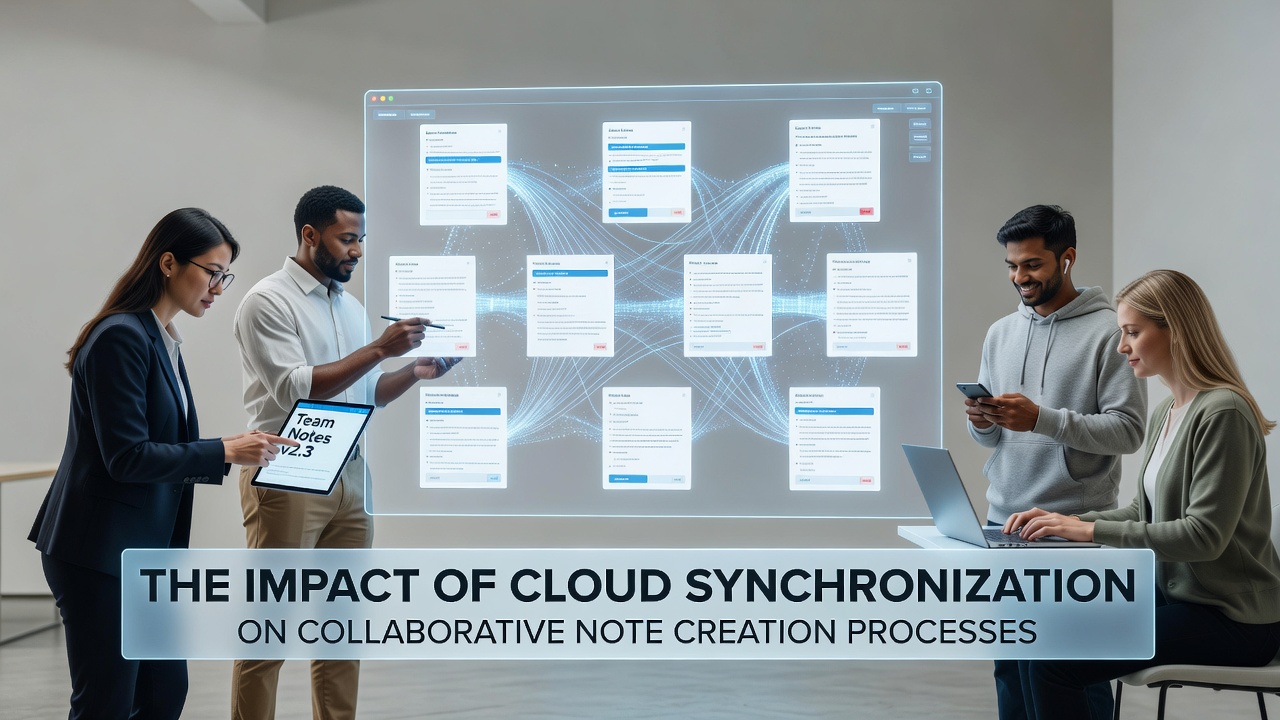
Cloud synchronization has reshaped collaborative note creation by allowing users to edit shared documents simultaneously from separate locations while updates propagate instantly to every connected device, and this shift gained further momentum as organizations expanded remote workflows through 2025 and into September 2026. Researchers at multiple institutions have documented how these systems reduce version conflicts compared with older file-sharing methods, yet the same studies also highlight new demands on network reliability and data consistency protocols.
Core Mechanisms Behind Cloud-Based Note Sync
Modern platforms rely on a combination of delta encoding, conflict-free replicated data types, and automated merge algorithms that track changes at the keystroke level rather than the file level, and these techniques let teams maintain a single source of truth even when participants work offline for extended periods. Data centers distributed across regions keep copies of note databases in close geographic proximity to users, which shortens latency and supports the real-time experience that many collaborative environments now expect. When one person adds a bullet point or tags a section, the system transmits only the modified elements, then reconciles any overlapping edits through predefined priority rules or user prompts.
Effects on Team Workflows and Productivity Metrics
Organizations that adopted synchronized note platforms reported measurable reductions in email back-and-forth, because meeting notes, action items, and reference materials remain accessible and up to date without manual distribution, according to internal audits conducted by several multinational firms. Academic analyses of university research groups found that synchronized notes improved cross-departmental knowledge transfer, particularly when graduate students and faculty members contributed from different campuses or time zones. Figures from industry reports released in early 2026 indicate that teams using these tools completed project documentation cycles approximately twenty percent faster than groups relying on static shared drives, although the gains varied by team size and project complexity.
Security, Compliance, and Access Considerations
Encryption both in transit and at rest forms the baseline protection for synchronized notes, yet enterprises must still navigate varying regulatory frameworks that govern data residency and audit trails. The European Union’s data protection guidelines, for instance, require explicit consent mechanisms when personal information appears in shared notebooks, while Canadian privacy legislation emphasizes breach notification timelines that affect how quickly administrators must respond to potential incidents. Multi-factor authentication and granular permission settings have become standard features, allowing organizations to restrict editing rights to specific sections or folders without blocking read-only access for stakeholders who only need to review final versions.
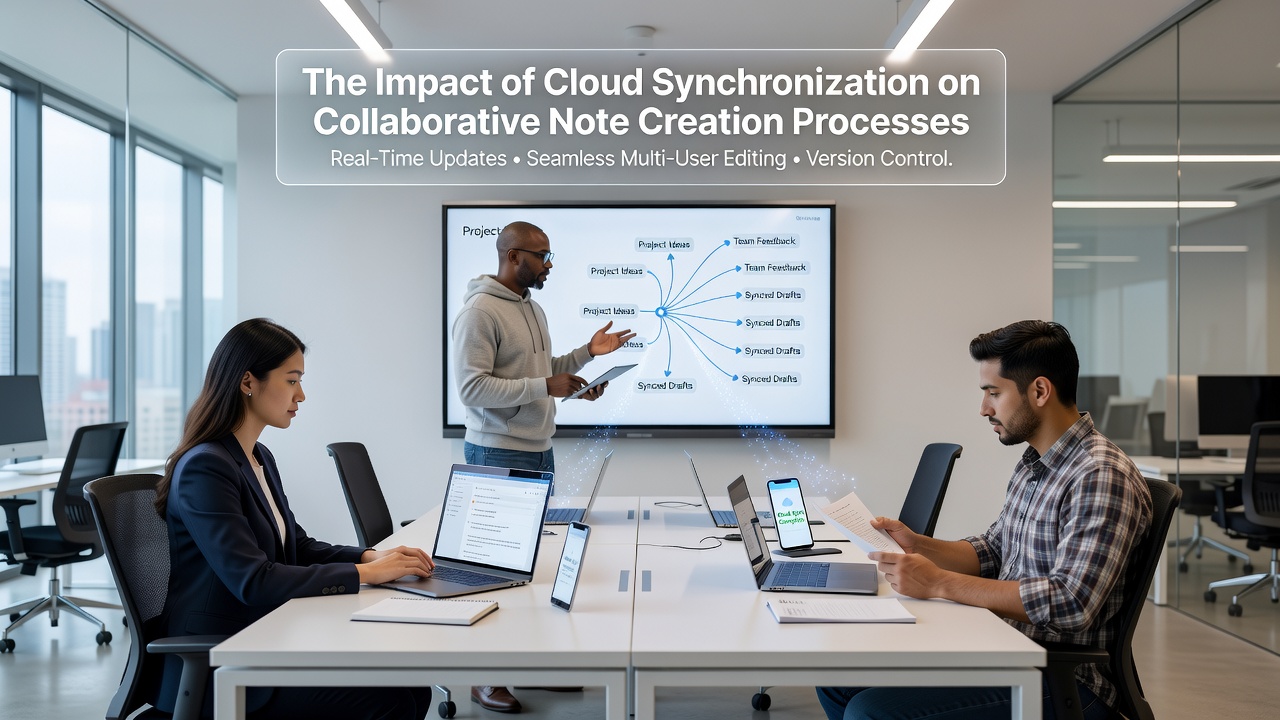
Observers note that integration with identity providers such as corporate directories further streamlines onboarding, and automated logging creates the audit trails required for compliance reviews in regulated sectors. When connectivity drops, most applications queue local changes and resolve them upon reconnection, though prolonged outages can still force manual reconciliation if multiple offline edits overlap.
Case Examples from Research and Industry Settings
One study conducted at a large public university tracked how biology lab teams used synchronized notebooks to record experimental protocols and observations, resulting in fewer duplicated experiments because every member could see the latest updates without waiting for weekly meetings. In the corporate sector, a software development company documented how product managers and engineers maintained living specifications inside shared notes that updated whenever code changed, and this practice reduced the number of outdated requirement documents that previously caused scope creep. Data from these implementations shows that smaller teams often experience the quickest adoption curve, whereas larger groups require additional training on conflict-resolution interfaces and permission management.
Emerging Patterns Observed Through September 2026
By September 2026 platform vendors had introduced more sophisticated AI-assisted summarization that pulls key points from lengthy collaborative threads, and these features appear most frequently in education and healthcare environments where rapid information synthesis matters. Usage statistics released by several analytics firms reveal continued growth in mobile-first editing, with tablets and phones accounting for a rising share of note contributions even as desktop interfaces remain dominant for complex formatting tasks. Cross-platform compatibility continues to improve, yet differences in how operating systems handle background sync processes still produce occasional inconsistencies that developers address through regular updates.
Conclusion
Cloud synchronization has become integral to collaborative note creation by enabling simultaneous input, reducing duplication, and supporting distributed teams across varied regulatory environments. Continued refinement of conflict-resolution algorithms and compliance tools will likely shape how organizations manage shared knowledge in the years ahead, while usage data collected through 2026 already demonstrates measurable effects on documentation speed and accessibility.